If you're new here, you may want to subscribe to my RSS feed or Subscribe by Email. Thanks for visiting! Email This Post
 The purchase of a swimming pool heater should be an informed choice. If you’ll only be using your pool when temperatures are above freezing, then you’ll probably only need unglazed collectors.
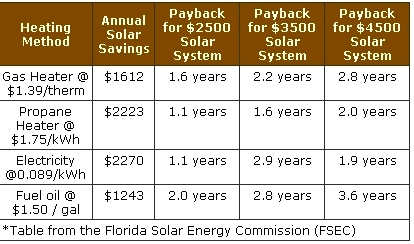
An unglazed solar pool heating system usually costs between $3,000 and $4,000 to buy and install. This provides a payback of between 1.5 and 7 years, depending on your local fuel costs.
Therefore, before you purchase and install a solar pool heating system, you should do the following:
- The pool has already a traditional heating system? If so, how?
- Has it a filtering system for water? If so, you know how many gallons per hour filter?
- Take the measurement of the diameter of the pool and the depth.
- What color is the bottom of the pool?
- At what temperature is generally water? Is it the temperature You would?
A simple rule-of-thumb for the required panel area needed is 50% of the pool’s surface area. This is for areas where pools are used in the summer season only, not year ’round.
Adding solar collectors to a conventional outdoor pool, in a cold climate, can typically extend the pool’s comfortable usage by a couple of months or more if an insulating pool cover is also used.
An active solar energy system analysis program may be used to optimize the solar pool heating system before it is built.
How to Run the System Efficiently
Running your system efficiently is key to maximizing the heat output. First and foremost it is crucial that you only run the solar when climate conditions allow it to actually gather heat from the sun (they can act in reverse in some circumstances and cool the water down in your pool).
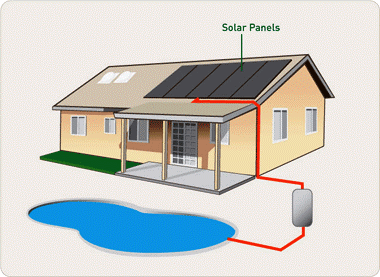 So if your panels are cooler than the current temperature of the water, you will be defeating the purpose. This happens especially on rainy days when the systems are left running. You can resolve this problem by using an automatic solar controller.
Another thing to look out for is the general condition of your panels. You must keep them clean and out of the shade.
Another thing to consider is purchasing a solar pool blanket if you don’t have one already (they look like a giant sheet of bubble wrap). They will help keep the heat you already have. You should cover the pool in the evening and remove the blanket in the morning.
How to Monitor the Performances
A solar collector’s thermal performance rating is measured by Btu (British thermal unit) per square foot per day:Btu/(ft2day) or mega joules (MJ) per square meter per day: MJ/(M2day).
The higher the number, the greater the solar energy collection efficiency.
How to Choose the Right Solar Heater
If you live in a sunny region and have a generously sized solar system, it will be able to heat your pool (i.e. a 24′). A gas or electric heater can generally provide more heat than solar. If you are will to spend the money, you can swim when you want to swim in water as warm as you like it!
Installation and Maintenance
The proper installation of a solar pool heating system depends on many factors. These factors include solar resource, climate, local building code requirements, and safety issues.
After installation, properly maintaining your system will keep it running smoothly for 10–20 years.

{ 0 comments… add one now }